Balancing Your Home’s Interiors
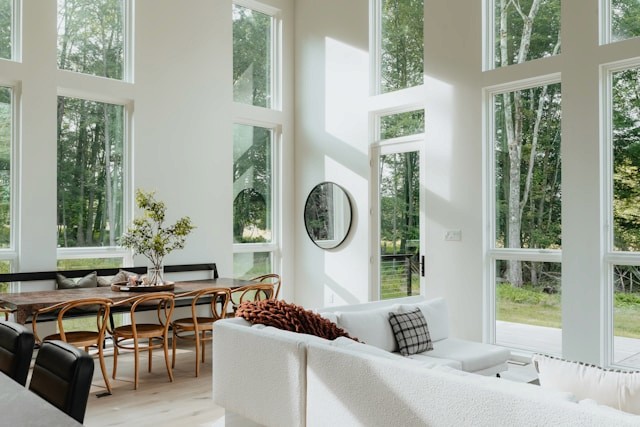
Harmony in interiors is about creating spaces that feel cohesive, balanced, and inviting. A well-designed home doesn’t just look beautiful — it feels right. Every element, from colors and textures to furniture placement and lighting, contributes to a sense of calm and flow. In this post, we’ll explore how to achieve harmony in your interiors, ensuring that every room feels connected, intentional, and reflective.
Establishing a Cohesive Vision
The first step toward harmony is defining a clear design vision. Consider the mood, atmosphere, and style you want for your home. Whether you favor minimalism, contemporary elegance, or eclectic charm, having a unified direction ensures consistency across spaces. Thoughtful planning allows every choice — from paint colors to furnishings — to support a cohesive narrative, creating a home that feels purposeful and harmonious.
Balancing Color and Tone
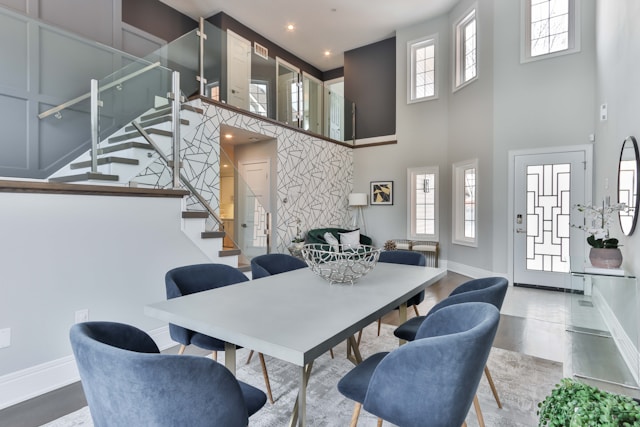
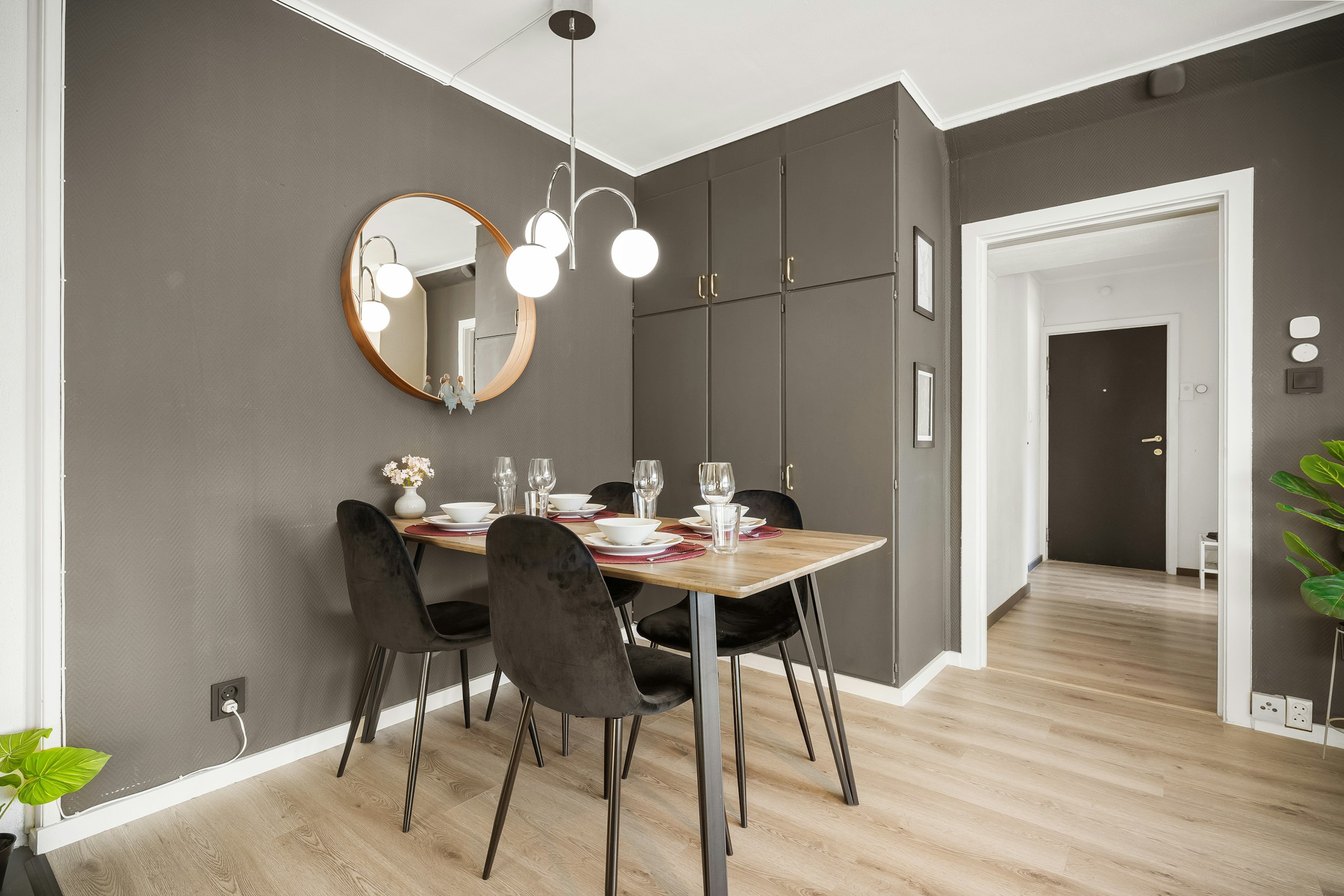
Color is a powerful tool for unifying a space. Harmonious color palettes tie rooms together and set the tone for your interiors. Combining complementary tones, layering shades, or using neutral bases with accent hues can create flow and continuity. When applied thoughtfully, color helps rooms feel connected while still allowing individual areas to express their own character, resulting in a balanced home.
“Nordi’s approach to design is inspiring. They made my home feel modern, warm, and undeniably mine. I’m happy with the result.”

Ethan Brooks
Lovely Customer
Layering Textures and Materials
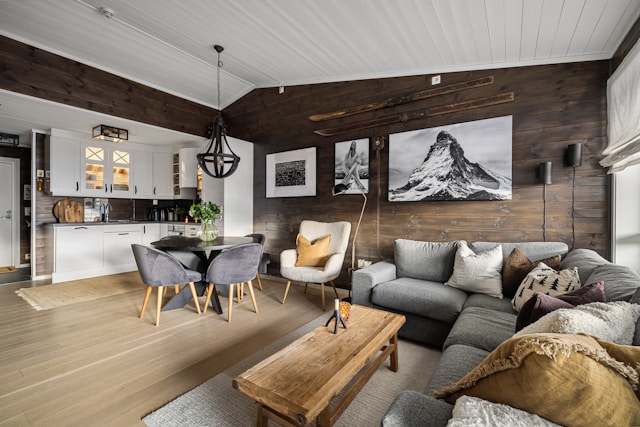
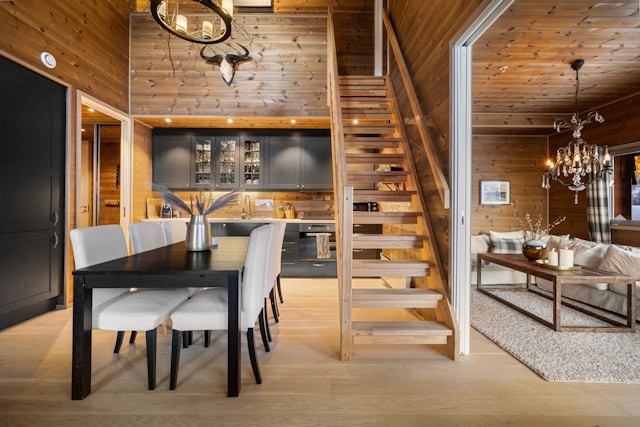
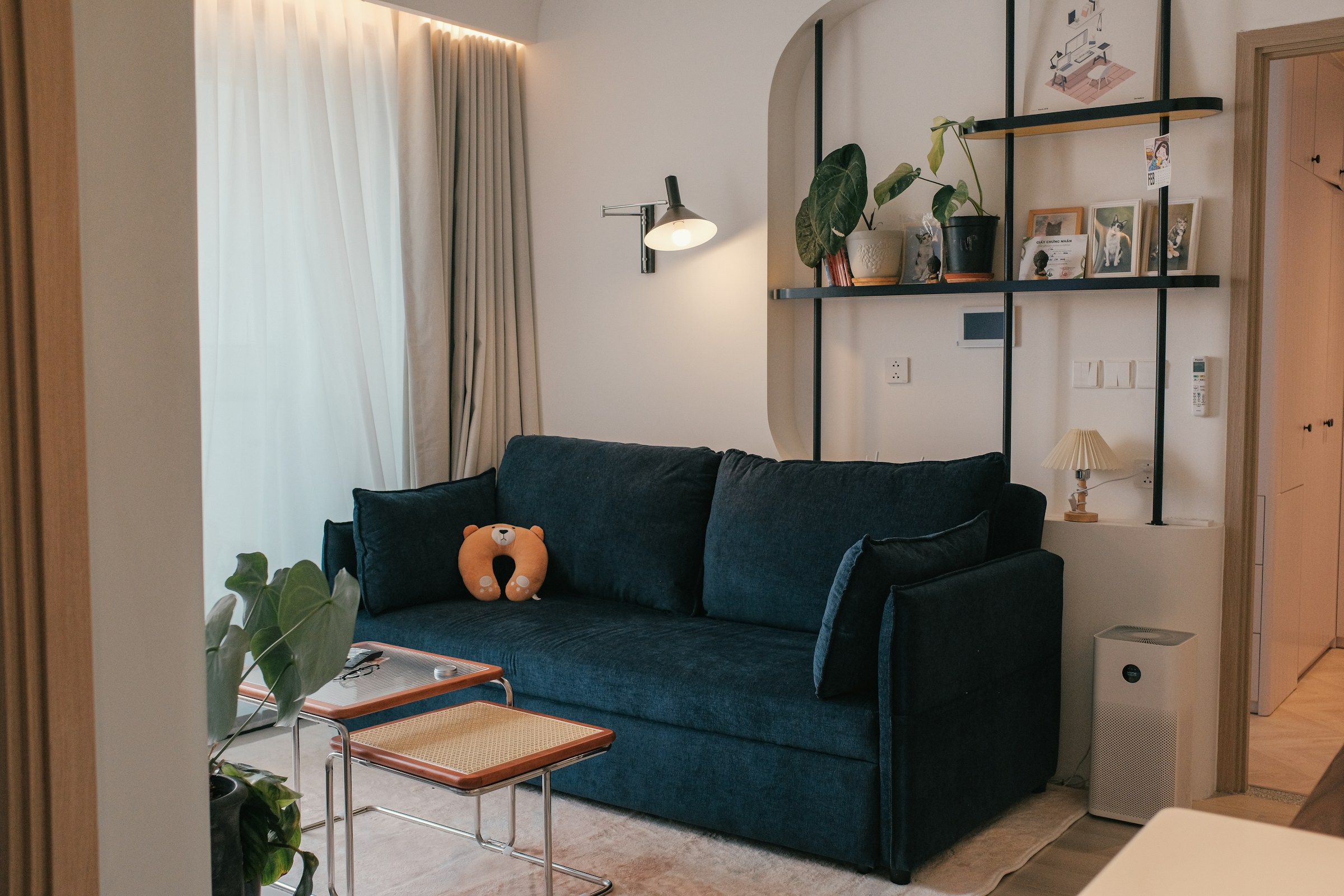
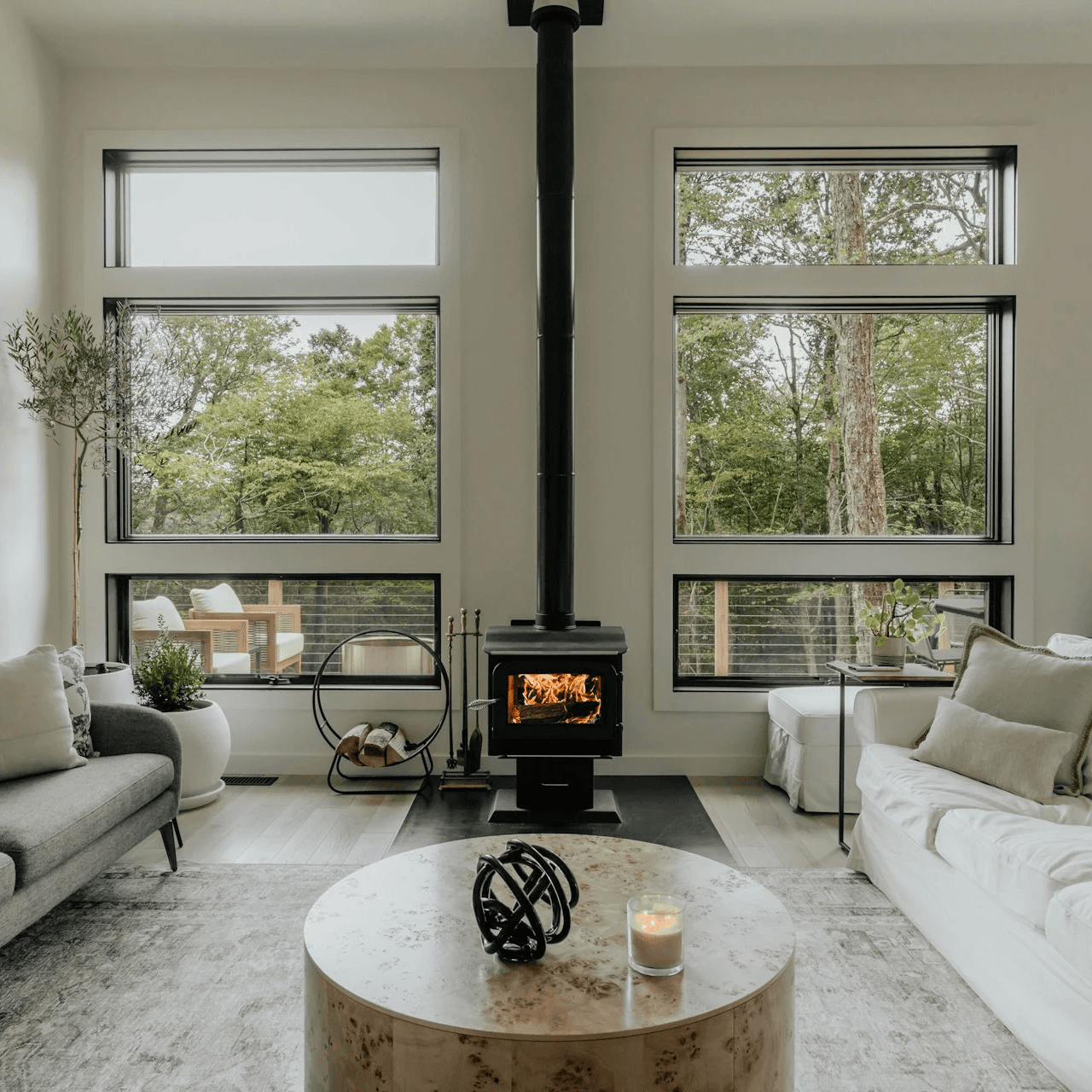
Texture brings depth, interest, and warmth to interiors. Mixing smooth, reflective surfaces with soft fabrics or natural materials creates visual variety without breaking harmony. Wood, stone, metal, and textiles can be combined to produce spaces that are both tactile and aesthetically cohesive. Layering materials thoughtfully ensures that every element contributes to a unified, inviting environment.
Arranging Accents Thoughtfully
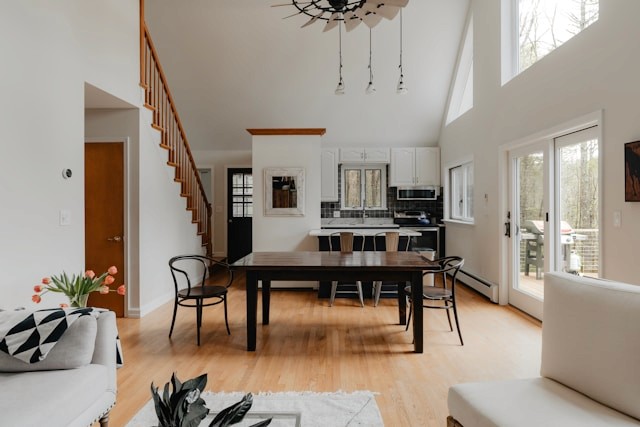
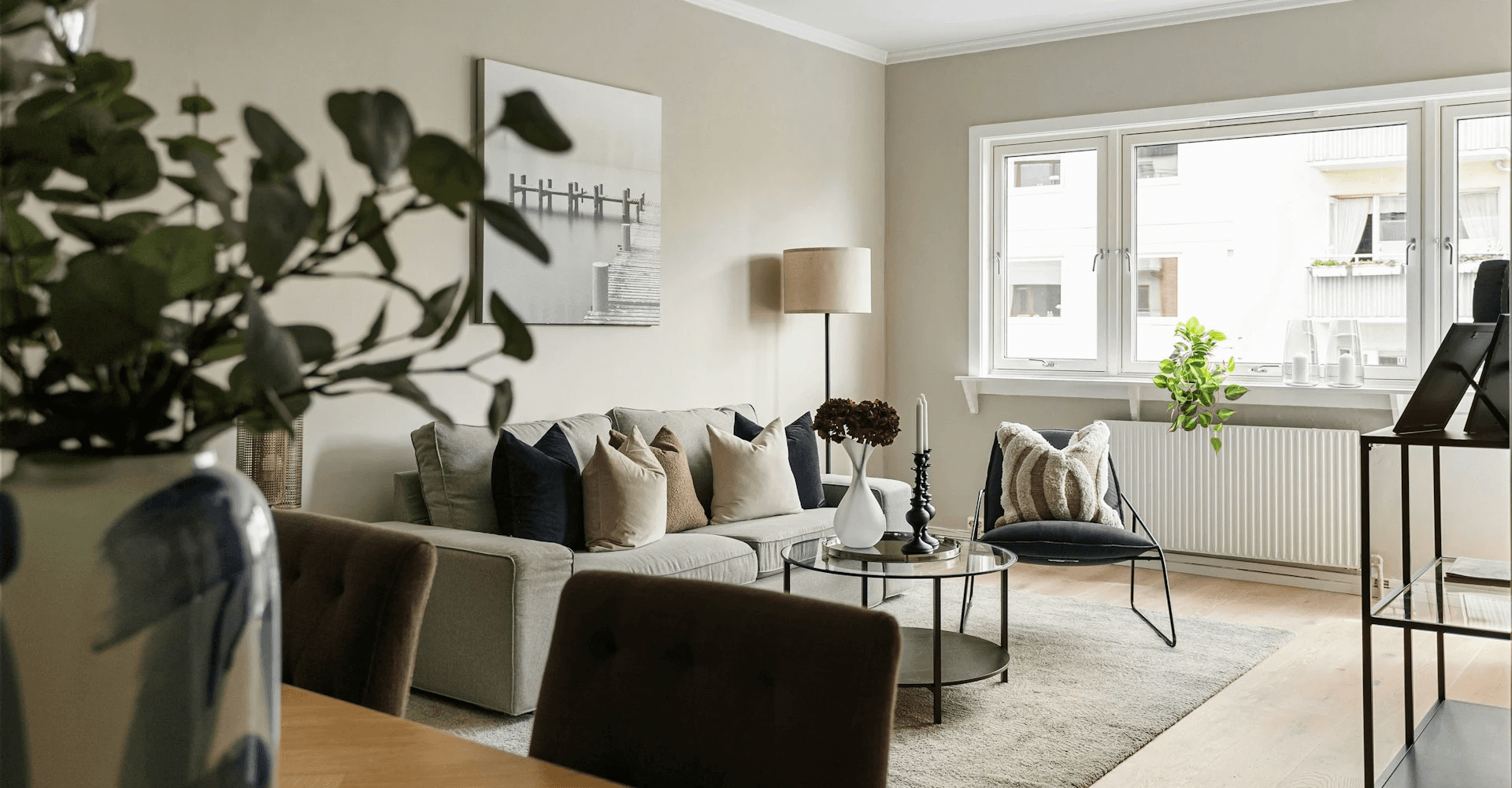
Position furniture to encourage natural flow and easy movement
Use rugs, pillows, and throws to unify color and texture
Balance scale and proportion for visual symmetry
Place art and décor strategically to create focal points without clutter
Integrate lighting to enhance mood and highlight key areas
Intentional arrangement of furniture and decorative elements helps maintain balance and cohesion. When every piece has a purpose and complements the overall design, the space feels unified and effortlessly elegant.
Achieving Lasting Harmony
The final step is ensuring that your home’s harmony is sustainable over time. Regularly reassessing your interiors, updating elements thoughtfully, and maintaining balance in color, texture, and layout keeps spaces feeling fresh and aligned with your lifestyle. A harmonious home doesn’t just look beautiful — it nurtures well-being, promotes relaxation, and creates a sense of order that enhances daily life. By prioritizing cohesion, flow, and thoughtful design, your interiors become a sanctuary of calm and comfort.