Design Trends

Dec 12, 2025

Choosing Hues to Elevate Your Space

Learn how intentional color choices influence mood, harmony, and visual flow. Discover palettes and combinations that add depth, emotion, and refined cohesion to your interiors.

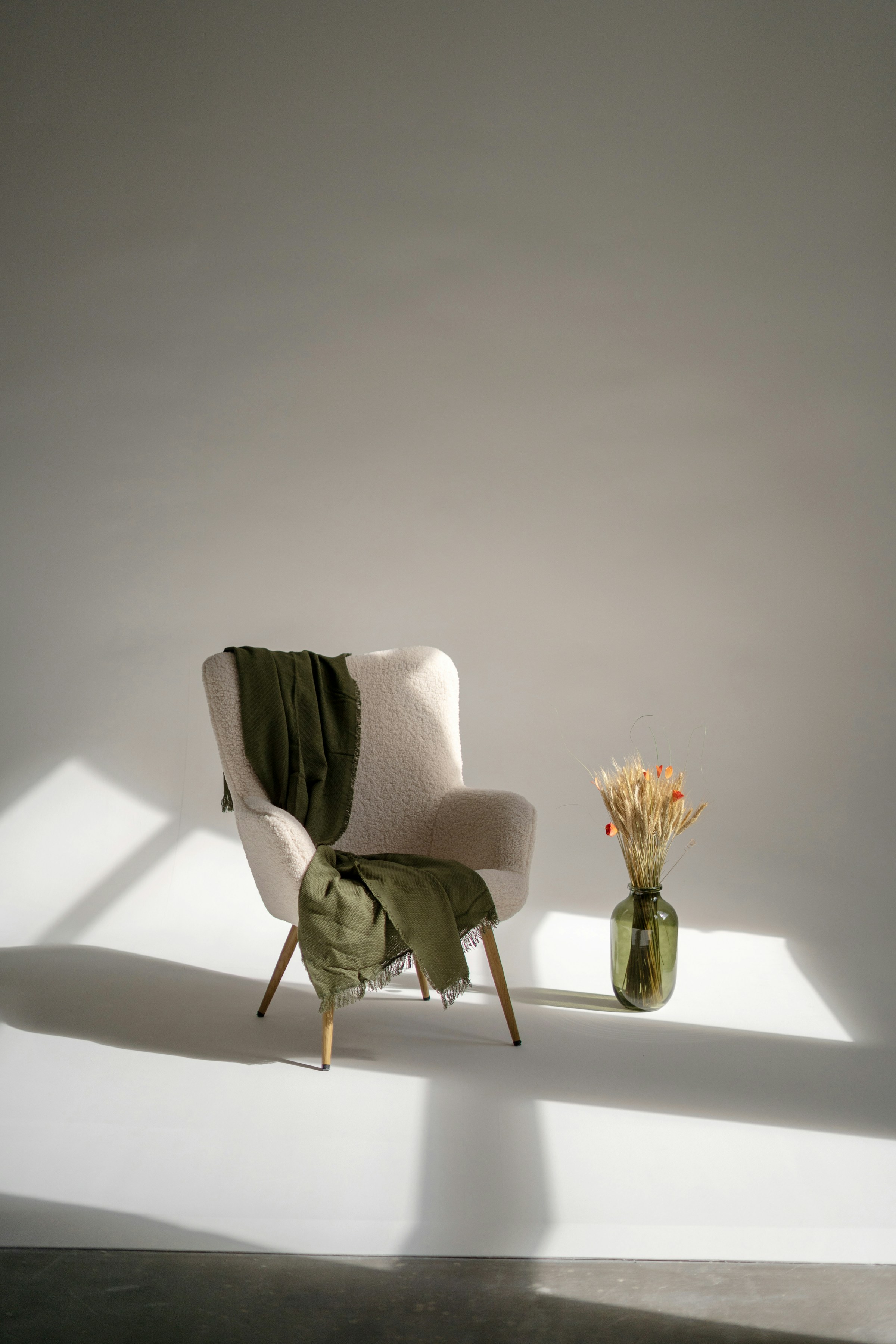
Chair
Chair

Transform Space With Color

Color is more than decoration — it shapes the way we experience a space. The right hues can influence mood, highlight architectural features, and even make rooms feel larger or cozier. Choosing colors thoughtfully allows you to elevate your interiors, creating spaces that feel harmonious, inviting, and uniquely yours. In this guide, we’ll explore strategies to help you select colors that enhance every corner of your home, from walls and furniture to accents and accessories.

Understanding Color and Mood

Every hue carries emotion and energy. Warm colors like reds, oranges, and golds bring vitality and energy, while cool shades such as blues, greens, and lavenders evoke calm, relaxation, and focus. Understanding the psychological impact of color is crucial when designing interiors that support your lifestyle. For example, a soft blue can create a serene bedroom retreat, while a bold yellow can energize a kitchen or creative workspace. By carefully considering the emotional tone of your colors, you can craft a home that resonates your life.

Building Harmonious Palettes

A well-curated color palette unifies a space and gives it personality. Start with a primary base color that complements your room’s function and lighting, then layer secondary and accent hues to add depth and interest. Variations in saturation, tone, and finish allow even subtle color schemes to feel dynamic. When applied thoughtfully, cohesive palettes make interiors feel professionally designed, visually satisfying, and perfectly balanced, whether your space is large or compact.

Transform Space With Color

Color is more than decoration — it shapes the way we experience a space. The right hues can influence mood, highlight architectural features, and even make rooms feel larger or cozier. Choosing colors thoughtfully allows you to elevate your interiors, creating spaces that feel harmonious, inviting, and uniquely yours. In this guide, we’ll explore strategies to help you select colors that enhance every corner of your home, from walls and furniture to accents and accessories.

Understanding Color and Mood

Every hue carries emotion and energy. Warm colors like reds, oranges, and golds bring vitality and energy, while cool shades such as blues, greens, and lavenders evoke calm, relaxation, and focus. Understanding the psychological impact of color is crucial when designing interiors that support your lifestyle. For example, a soft blue can create a serene bedroom retreat, while a bold yellow can energize a kitchen or creative workspace. By carefully considering the emotional tone of your colors, you can craft a home that resonates your life.

Building Harmonious Palettes

A well-curated color palette unifies a space and gives it personality. Start with a primary base color that complements your room’s function and lighting, then layer secondary and accent hues to add depth and interest. Variations in saturation, tone, and finish allow even subtle color schemes to feel dynamic. When applied thoughtfully, cohesive palettes make interiors feel professionally designed, visually satisfying, and perfectly balanced, whether your space is large or compact.

“I never imagined my apartment could feel this cozy and refined. Nordi blended comfort and design effortlessly. Exceptional work!”

“I never imagined my apartment could feel this cozy and refined. Nordi blended comfort and design effortlessly. Exceptional work!”

Author
Author
Maya Reynolds
Lovely Customer
Chair
Chair

Balancing Tones

Bold colors can make a room memorable, while softer shades bring comfort and equilibrium. The key to balance is proportion: strong colors work best as accent walls, statement furniture, or decorative features, while muted tones ground the space and prevent it from feeling overwhelming. By combining vibrant and subtle hues strategically, your interiors achieve both energy and serenity, allowing your personality to shine through without compromising harmony.

Layering Texture and Material

  • Mix painted surfaces with natural wood, stone, or metal finishes

  • Combine matte, satin, and glossy textures to add depth

  • Use fabrics like velvet, linen, or wool to complement the palette

  • Layer subtle patterns that enhance the colors without competing

  • Consider how lighting affects materials and color perception throughout the day

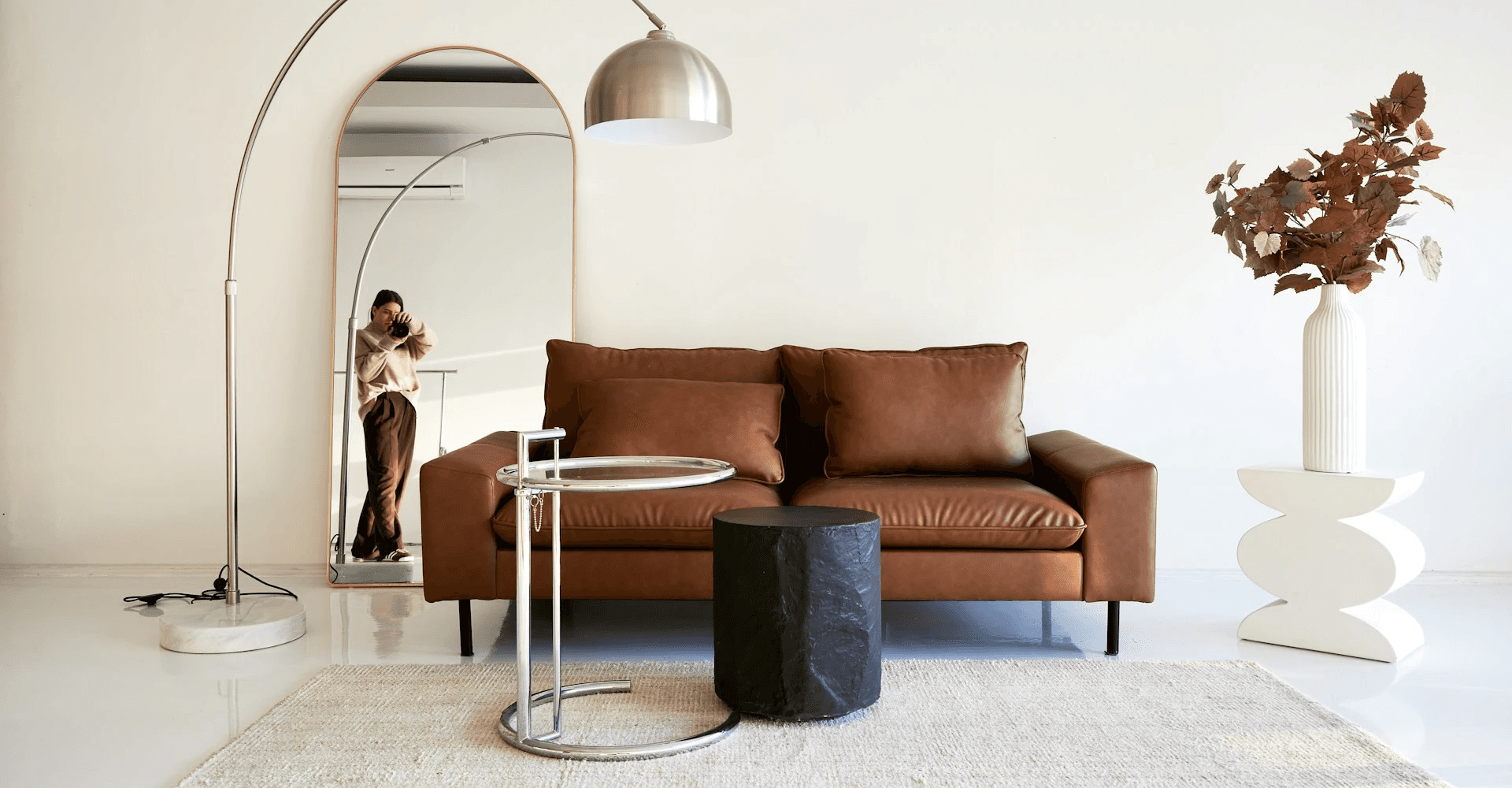
Incorporating texture and material alongside color creates richness and dimension. A thoughtfully layered approach ensures your space feels dynamic yet harmonious, sophisticated yet welcoming. Texture interacts with color to make every corner feel intentional and alive.
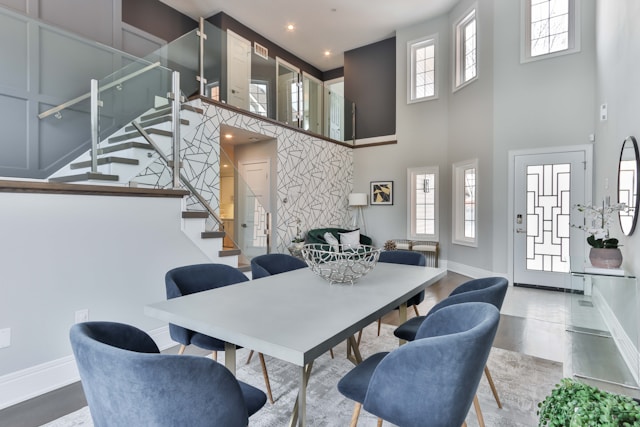
Interior

Applying Colors With Intention

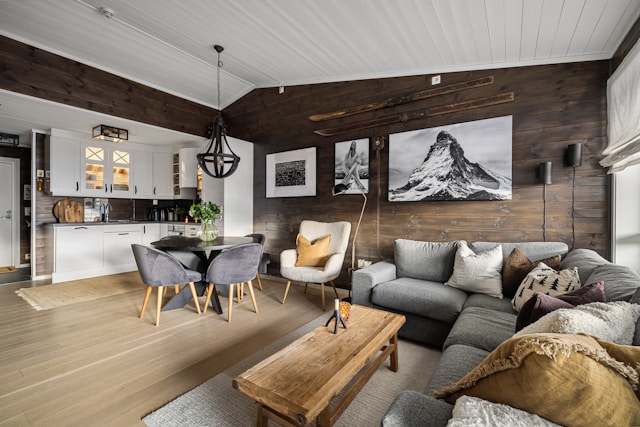
Once you have chosen your hues, deliberate placement is key. Consider how room size, natural light, and existing furnishings interact with your palette. Accent walls, painted trim, colorful ceilings, or even small decorative elements can dramatically alter the perception of a space. Thoughtful color application enhances both aesthetic appeal and functionality, allowing you to craft interiors that feel vibrant, balanced, and uniquely tailored to your lifestyle.
Balancing Tones

Bold colors can make a room memorable, while softer shades bring comfort and equilibrium. The key to balance is proportion: strong colors work best as accent walls, statement furniture, or decorative features, while muted tones ground the space and prevent it from feeling overwhelming. By combining vibrant and subtle hues strategically, your interiors achieve both energy and serenity, allowing your personality to shine through without compromising harmony.

Layering Texture and Material

  • Mix painted surfaces with natural wood, stone, or metal finishes

  • Combine matte, satin, and glossy textures to add depth

  • Use fabrics like velvet, linen, or wool to complement the palette

  • Layer subtle patterns that enhance the colors without competing

  • Consider how lighting affects materials and color perception throughout the day

Incorporating texture and material alongside color creates richness and dimension. A thoughtfully layered approach ensures your space feels dynamic yet harmonious, sophisticated yet welcoming. Texture interacts with color to make every corner feel intentional and alive.

Interior

Applying Colors With Intention

Once you have chosen your hues, deliberate placement is key. Consider how room size, natural light, and existing furnishings interact with your palette. Accent walls, painted trim, colorful ceilings, or even small decorative elements can dramatically alter the perception of a space. Thoughtful color application enhances both aesthetic appeal and functionality, allowing you to craft interiors that feel vibrant, balanced, and uniquely tailored to your lifestyle.
Interior
Interior
Interior
Interior
Interior
Interior
Interior
Interior
Interior
Interior
Interior
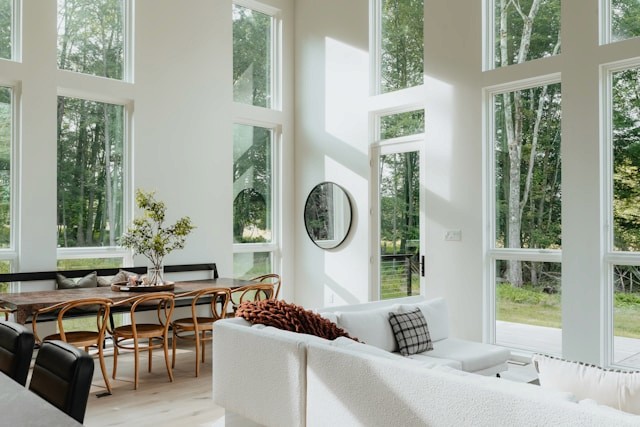
Living Room
Living Room
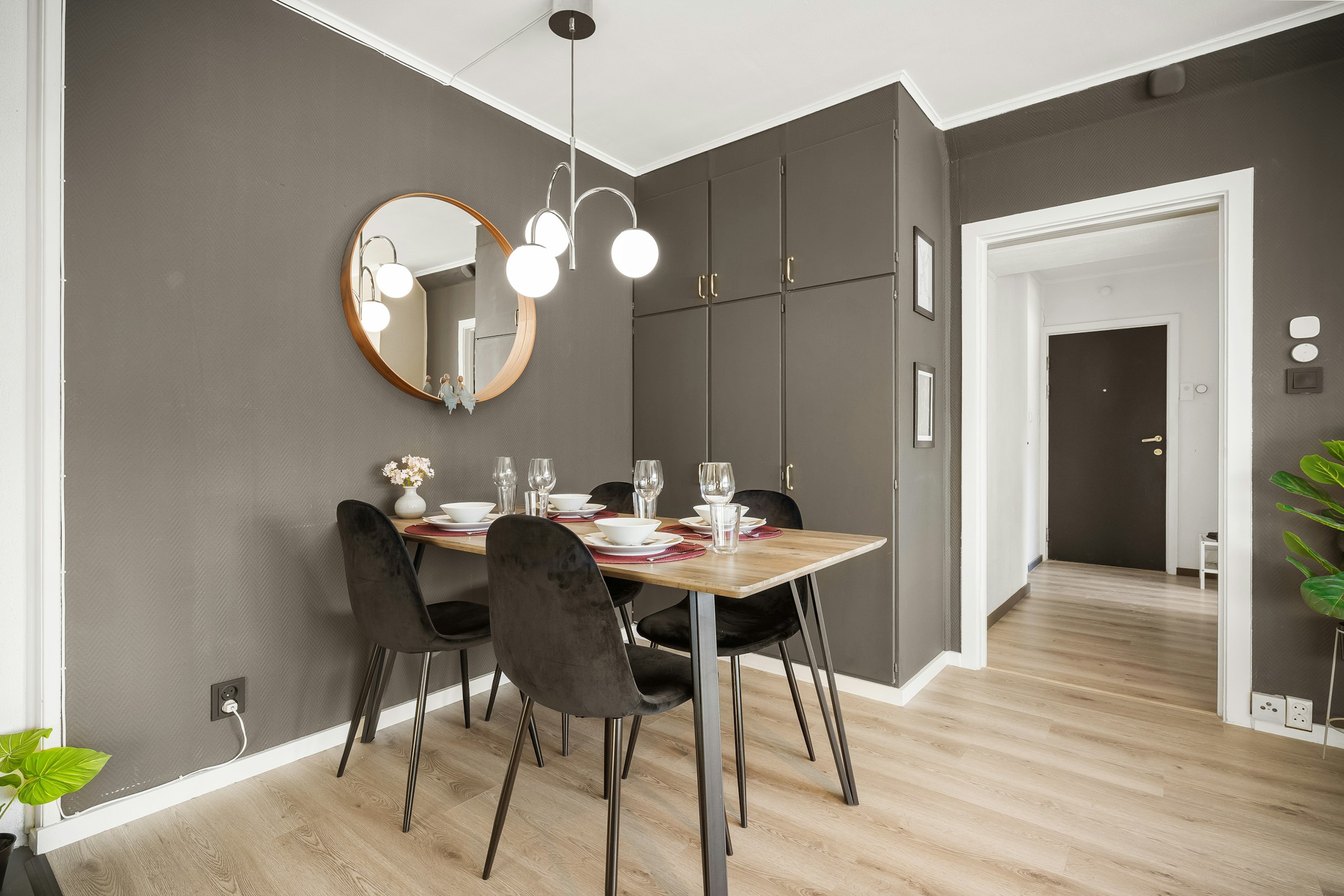
Kitchen
Kitchen

Create a free website with Framer, the website builder loved by startups, designers and agencies.